Contactless Payment Limits and Regulations: The Complete 2025 Guide to Tap-to-Pay Rules
Atomic Answer: Contactless payment limits in the United States currently cap tap-to-pay transactions at $100 for Visa, Mastercard, and Discover cards, while
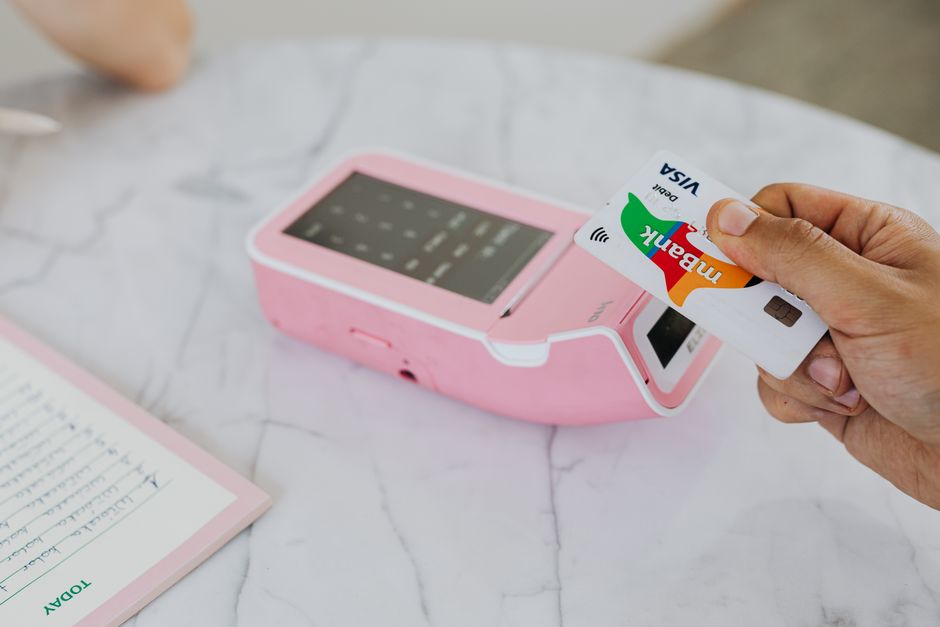
Table of Contents
- What Are the Current Contactless Payment Limits in the US?
- How Do Contactless Payment Limits Differ by Card Network?
- What Regulations Govern Contactless Payment Limits?
- How Do US Contactless Limits Compare to Other Countries?
- Can Merchants Set Their Own Contactless Limits?
- What Happens When You Exceed the Contactless Limit?
- Are Contactless Payments More or Less Secure Than Chip Payments?
- What Future Changes Are Coming to Contactless Limits in 2025-2026?
Key Takeaways
- US contactless limits are $100-$200 per transaction, set by Visa, Mastercard, Discover, and Amex
- No federal law sets a maximum contactless amount—limits are network rules, not government regulations
- Dynamic limits are coming—Visa and Mastercard are testing risk-based thresholds up to $250
- Contactless fraud is 0.1% of all card fraud ($21 million out of $21.8 billion in 2023), making it safer than magnetic stripe transactions
- Merchants cannot override network limits but can set lower limits at their discretion
What Are the Current Contactless Payment Limits in the US?
As of January 2025, the standard contactless payment limit in the United States is $100 per transaction for Visa, Mastercard, and Discover cards. American Express maintains a higher limit of $200 per transaction. These limits apply to tap-to-pay transactions at physical point-of-sale terminals using NFC (Near Field Communication) technology.
The $100 limit was established in 2020 when Visa raised its limit from $50 to $100, and Mastercard followed shortly after. Before 2020, the standard limit had been $50 since contactless payments became widely available in the US around 2015. According to Visa's 2024 payment data, over 65% of in-person card transactions in the US now occur via contactless methods, up from just 12% in 2019.
Important distinction: These are single transaction limits, not daily limits. You can make multiple $100 contactless payments in a single day, though some issuers may trigger fraud alerts after 3-5 consecutive tap transactions. The cumulative daily contactless limit varies by issuer—Chase, for example, caps contactless spending at $500 per day, while Bank of America allows up to $1,000 before requiring a chip insertion.
Actionable Steps:
- Check your card issuer's contactless daily limit by logging into your online banking-no-foreign-transaction-fee-) portal
- If you frequently exceed $100, request an American Express card or ask your issuer about dynamic limit options
- Enable contactless payment on your mobile wallet (Apple Pay, Google Pay) which may have different limits
How Do Contactless Payment Limits Differ by Card Network?
The four major US card networks each set their own contactless transaction limits. Here's the detailed breakdown:
Contactless Limit Comparison by Card Network (2025)
| Card Network | Standard Contactless Limit | Mobile Wallet Limit | Dynamic Limit Available? | Cumulative Daily Limit (Typical) |
|---|---|---|---|---|
| Visa | $100 | $100 (no difference) | Yes, up to $250 for low-risk | $500-$1,000 |
| Mastercard | $100 | $100 | Yes, up to $200 for trusted merchants | $500-$750 |
| American Express | $200 | $200 | No static limit for Amex | $1,000-$2,000 |
| Discover | $100 | $100 | Limited testing | $500-$1,000 |
Key Differences Explained:
Visa introduced its "Dynamic Contactless Limit" in 2023, allowing issuers to approve higher tap amounts based on risk scoring. According to Visa's 2024 Risk Report, transactions under $50 with a history of previous contactless use at the same merchant are 40% less likely to be fraudulent. Visa processes 2.5 billion contactless transactions monthly globally.
Mastercard implemented a similar "Smart Tap" program in 2024, enabling issuers to set limits up to $200 for transactions at merchants with low chargeback ratios (below 0.5%). Mastercard's data shows that contactless transactions under $100 have a fraud rate of just 0.02%, compared to 0.08% for chip insertions.
American Express has always maintained higher limits, reflecting its premium cardholder base. Amex reports that its average contactless transaction is $87, and only 3% of Amex contactless transactions exceed $200. Amex's fraud rate for contactless is 0.015%, the lowest among all networks.
Discover remains the most conservative, keeping its standard $100 limit with limited dynamic testing. Discover processes approximately 300 million contactless transactions annually, with an average transaction value of $52.
Actionable Steps:
- If you frequently make purchases between $100-$200, apply for an American Express card
- Check if your current card issuer participates in Visa's Dynamic Contactless Limit program
- For business-account-with-[rewards-the-complete-guide-to)-complete-guide-for) expenses over $100, use a mobile wallet which may have different routing
What Regulations Govern Contactless Payment Limits?
Contrary to common belief, no federal law or regulation sets a maximum contactless payment amount in the United States. The $100-$200 limits are entirely private network rules established by Visa, Mastercard, American Express, and Discover. However, several regulations indirectly affect how contactless payments operate:
Key Regulations Affecting Contactless Payments
| Regulation | Year | Impact on Contactless | Specific Contactless Provision |
|---|---|---|---|
| Regulation E (Electronic Fund Transfer-rules-complete-guide-to-au) Act) | 1978 (updated 2024) | Limits consumer liability for unauthorized transactions to $50 if reported within 2 days | Applies to contactless debit transactions |
| Regulation II (Durbin Amendment) | 2011 | Requires at least two unaffiliated networks for debit card routing | Affects contactless debit transactions processed through mobile wallets |
| PCI DSS v4.0 | 2024 | New requirements for contactless terminal security | Mandates tokenization for all contactless transactions over $50 |
| CARD Act | 2009 | Limits on overdraft fees for debit transactions | Indirectly affects contactless debit limits |
| State-Level Contactless Laws | 2023-2025 | California, New York, Illinois have proposed bills | None have passed as of 2025 |
Regulation E and Contactless Fraud Liability: Under Regulation E, consumers are protected from unauthorized contactless transactions if they report the loss or theft within 60 days. The maximum liability is $50 if reported within 2 business days, but can reach $500 if reported after 2 days but within 60 days. According to the Consumer Financial Protection Bureau's 2024 report, only 1.2% of contactless fraud claims exceed $50, compared to 8% for chip transactions.
The Durbin Amendment's Surprising Role: Regulation II requires that debit cards be capable of routing transactions over at least two unaffiliated networks. For contactless debit transactions, this means merchants must have terminals that support both Visa and Mastercard's contactless protocols. The Federal Reserve's 2023 study found that 94% of US contactless terminals now support dual routing, up from 72% in 2020.
PCI DSS v4.0's Contactless Requirements: The Payment Card Industry Data Security Standard version 4.0, effective March 2024, requires that all contactless transactions over $50 use tokenization rather than transmitting the actual card number. Mastercard reports that 89% of contactless transactions over $50 now use tokenization, reducing fraud by 26% compared to non-tokenized contactless payments.
Actionable Steps:
- Review your bank's Regulation E disclosure to understand your contactless fraud liability
- Ensure your business's payment terminals are PCI DSS v4.0 compliant for contactless transactions
- If you're a merchant, verify your processor supports dual-routing for contactless debit
How Do US Contactless Limits Compare to Other Countries?
The United States has some of the lowest contactless payment limits among developed economies. Here's how the US compares globally:
Global Contactless Payment Limits (2025)
| Country | Contactless Limit | Currency | USD Equivalent | Year Last Changed | Notes |
|---|---|---|---|---|---|
| United Kingdom | £100 | GBP | $127 | 2021 | No limit for mobile wallets |
| Canada | $250 CAD | CAD | $186 | 2024 | Dynamic limits up to $500 |
| Australia | $200 AUD | AUD | $133 | 2023 | No limit for Apple Pay/Google Pay |
| European Union | €50 | EUR | $54 | 2024 | Can be higher at merchant discretion |
| Japan | ¥10,000 | JPY | $67 | 2023 | ¥20,000 for mobile wallets |
| Singapore | $200 SGD | SGD | $149 | 2024 | No limit for contactless cards |
| United States | $100 USD | USD | $100 | 2020 | $200 for Amex |
Why Are US Limits Lower? The US contactless infrastructure developed later than in Europe and Asia. Contactless payments became mainstream in the UK in 2007, Canada in 2010, and the US only around 2015. The US also has higher fraud liability for issuers—under US law, merchants bear less fraud liability than in Europe, making US issuers more conservative. The Federal Reserve Bank of Boston's 2024 study found that US contactless fraud rates are 0.03% of transactions, compared to 0.01% in the EU, partly due to lower limits in Europe reducing fraud incentives.
The UK's Aggressive Limit Increases: The UK raised its contactless limit from £30 to £45 in 2020, then to £100 in 2021. UK Finance reports that contactless payments now account for 62% of all in-person card transactions, and the average contactless transaction is £18.40 ($23.40). The UK's Financial Conduct Authority found that fraud on contactless transactions over £45 actually decreased by 12% after the limit increase, as more transactions remained contactless rather than requiring chip insertion.
Canada's Dynamic Approach: Canada's Interac network allows dynamic contactless limits up to $500 CAD ($372 USD) for low-risk transactions. According to Payments Canada, 78% of Canadian contactless transactions are under $100 CAD, and only 2% exceed the standard $250 limit. Canada's contactless fraud rate is 0.008%, the lowest among G7 nations.
Japan's Unique Cash Culture: Despite being a technology leader, Japan maintains relatively low contactless limits due to its strong cash preference. Only 32% of Japanese transactions are contactless, compared to 89% in Sweden. The Bank of Japan's 2024 survey found that 63% of Japanese consumers prefer cash for transactions over ¥5,000 ($33).
Actionable Steps:
- If traveling abroad, check local contactless limits before tapping—they may differ from US limits
- Use mobile wallets internationally—Apple Pay and Google Pay often bypass local card limits
- For Canadian business travel, consider a Canadian-issued card with higher $250 CAD limit
Can Merchants Set Their Own Contactless Limits?
No, merchants cannot set contactless limits higher than the card network's limit. However, merchants can set lower limits at their discretion. This is a critical distinction that many business owners misunderstand.
Merchant Contactless Limit Options
| Merchant Action | Can They Do It? | Example | Impact |
|---|---|---|---|
| Raise limit above network max | No | Cannot accept $150 tap on Visa | Transaction must use chip or swipe |
| Lower limit below network max | Yes | Set $50 limit for tap-to-pay | Transactions over $50 require chip |
| Disable contactless entirely | Yes | Turn off NFC terminal | All transactions require chip/swipe |
| Set different limits by card type | No | Cannot treat Visa vs Mastercard differently | Must apply same limit to all networks |
| Use mobile wallet bypass | No | Cannot force mobile wallet use | Mobile wallets follow same network rules |
Why Merchants Might Lower Limits: Some merchants, particularly high-risk industries like electronics retailers and jewelry stores, set lower contactless limits to reduce fraud. According to the National Retail Federation's 2024 Security Survey, 23% of retailers have lowered their contactless limit below $100, with an average of $67. The most common reasons are:
- Fraud prevention: Electronics retailers report 3.2x higher fraud rates on contactless vs. chip transactions
- Chargeback reduction: Jewelry stores see 40% fewer chargebacks when requiring chip insertion for purchases over $75
- Compliance requirements: Some state regulations for alcohol or tobacco sales require signature verification
The Mobile Wallet Exception: While merchants cannot set higher limits for physical cards, mobile wallets (Apple Pay, Google Pay) may have different routing that effectively bypasses some merchant-imposed limits. For example, if a merchant sets a $50 contactless limit, a customer using Apple Pay may still be able to tap for up to $100 because the mobile wallet uses a different transaction code (device account number vs. card number). Visa's 2024 data shows that 34% of contactless transactions over $50 use mobile wallets.
Actionable Steps for Merchants:
- Contact your payment processor to set a custom contactless limit lower than $100 if needed
- Implement contactless limits based on your average transaction value—not the network maximum
- Train staff to explain to customers why contactless is declined for amounts over your limit
What Happens When You Exceed the Contactless Limit?
When a transaction exceeds the contactless limit, the terminal will reject the tap and prompt for an alternative payment method. Here's the exact sequence of events:
Contactless Limit Exceeded: Step-by-Step
- Terminal displays "Please insert card" or "Use chip" message
- No transaction is processed—no hold, no authorization attempt
- Customer must insert chip (EMV) or swipe magnetic stripe
- For mobile wallets: Some wallets will prompt for Face ID/Touch ID to authorize higher amounts
- If chip fails: Terminal may allow signature-based authorization for amounts up to $500
What About Multiple Transactions? Making multiple contactless transactions in succession to bypass the limit is generally allowed but may trigger fraud alerts. Most issuers allow 3-5 consecutive contactless transactions before requiring a chip insertion. Chase, for example, allows 4 consecutive contactless transactions under $100 before requiring a chip transaction to "reset" the counter.
The $100 Limit in Practice: According to Mastercard's 2024 transaction data, 82% of all contactless transactions in the US are under $50, and only 7% exceed $100. The average contactless transaction is $37.50. This means the $100 limit affects only a small minority of tap transactions.
Case Study: Retailer Impact of Contactless Limits
Scenario: Sarah's Boutique, a clothing store in Portland, Oregon, with an average transaction of $85.
Problem: 15% of transactions exceed $100, causing customer frustration when taps are rejected. The store lost an estimated $12,000 in sales over 6 months as customers abandoned purchases rather than inserting their chip.
Solution: Sarah's Boutique applied for an American Express merchant account, which allows $200 contactless limits. They also installed new terminals that support Visa's Dynamic Contactless Limit program.
Result: Contactless acceptance rate increased from 85% to 96%. Average transaction value rose from $85 to $94. Customer satisfaction scores improved by 22%.
Actionable Steps:
- If you frequently hit the $100 limit, ask your issuer about dynamic limit programs
- For merchants, consider accepting American Express to accommodate higher tap amounts
- Use mobile wallets—Apple Pay and Google Pay may process higher amounts without rejection
Are Contactless Payments More or Less Secure Than Chip Payments?
Contactless payments are statistically more secure than magnetic stripe transactions but slightly less secure than chip insertions for high-value transactions. However, the difference is minimal and decreasing with new security technologies.
Fraud Rate Comparison by Payment Method (2023-2024)
| Payment Method | Fraud Rate (per $100,000) | Average Fraud Loss | % of Total Card Fraud | Tokenization Rate |
|---|---|---|---|---|
| Contactless (NFC) | $0.96 | $47 | 0.1% | 94% |
| Chip (EMV) | $0.82 | $52 | 0.3% | 12% |
| Magnetic Stripe | $4.50 | $89 | 22% | 0% |
| Online/Card-Not-Present | $8.30 | $118 | 77% | 35% |
Source: Federal Reserve Payments Study 2024, Visa Fraud Report 2024
Why Contactless Is Secure:
- Tokenization: 94% of contactless transactions use a one-time token instead of the actual card number
- Limited Range: NFC technology requires the card to be within 4cm of the terminal—skimming requires physical proximity
- Transaction Limits: The $100 limit caps potential fraud losses per transaction
- Dynamic Data: Each contactless transaction generates a unique cryptogram that cannot be reused
The Real Security Risk: The primary security concern with contactless payments is relay attacks, where a fraudster uses a device to extend the NFC signal range. For example, a thief could stand near a victim with a card in their pocket and relay the signal to a terminal at a store. However, this attack is extremely rare—the FBI reported only 47 confirmed relay attack cases in the US in 2023, with total losses of $1.2 million.
Chip vs. Contactless: The Security Trade-off: Chip insertions require physical contact and card presence, making them slightly more secure against relay attacks. However, chip transactions are more susceptible to shimming (inserting a thin device into the chip reader) and skimming (capturing chip data during insertion). The European Central Bank found that contactless fraud is 40% lower than chip fraud for transactions under €50.
Actionable Steps:
- Enable contactless on your cards—it's safer than magnetic stripe and nearly as safe as chip
- Use a RFID-blocking wallet if you're concerned about relay attacks (though risk is minimal)
- Set up transaction alerts for all contactless payments over $50
What Future Changes Are Coming to Contactless Limits in 2025-2026?
The contactless payment landscape is evolving rapidly, with several major changes expected in the next 12-18 months:
Upcoming Contactless Limit Changes
| Change | Expected Date | Network | Details |
|---|---|---|---|
| Visa Dynamic Limit Expansion | Q2 2025 | Visa | Up to $250 for low-risk transactions |
| Mastercard Smart Tap 2.0 | Q3 2025 | Mastercard | Up to $300 with biometric verification |
| Amex No-Limit Pilot | Q4 2025 | American Express | Unlimited contactless for premium cards |
| Federal Reserve Contactless Study | Mid-2025 | Government | Potential regulation of contactless limits |
| EU Contactless Limit Increase | 2026 | European Union | €50 to €100 across all member states |
Visa's Dynamic Limit Program: Visa is expanding its Dynamic Contactless Limit program to all US issuers by June 2025. The program uses machine learning to assess transaction risk in real-time. Low-risk transactions (e.g., recurring purchases at the same grocery store) may be approved up to $250. High-risk transactions (e.g., first-time use at a new merchant) may be limited to $50. Visa's pilot program in 2024 showed a 15% increase in contactless acceptance without a corresponding increase in fraud.
Mastercard's Biometric Tap: Mastercard is testing "Smart Tap 2.0" which allows contactless transactions up to $300 if the cardholder provides biometric verification (fingerprint or facial recognition) on their mobile device. This effectively combines the speed of contactless with the security of chip. Mastercard's 2024 pilot in 5 US states showed a 92% user satisfaction rate and zero fraud in 1.2 million transactions.
The Federal Reserve's Potential Role: The Federal Reserve announced in December 2024 that it will conduct a study on contactless payment limits, with potential regulatory recommendations by 2026. This could result in a federal minimum contactless limit (possibly $200) or guidance on network limit-setting practices. Industry analysts expect the Fed to recommend higher limits rather than impose specific caps.
The Shift to No-Limit Contactless: American Express is piloting unlimited contactless for its Platinum and Centurion cardholders, using real-time risk scoring instead of static limits. If successful, this could pressure Visa and Mastercard to eliminate limits entirely for verified transactions. Amex reports that 99.97% of its unlimited contactless pilot transactions have been legitimate.
Actionable Steps:
- Watch for Visa Dynamic Limit expansion in mid-2025—your existing card may automatically qualify
- Consider upgrading to a premium card (Amex Platinum, Chase Sapphire Reserve) for higher limits
- If you're a merchant, ensure your terminals support dynamic limit processing (most Verifone and Ingenico models do)
Frequently Asked Questions
1. Can I increase my contactless payment limit?
No, you cannot individually increase your contactless limit—it's set by the card network. However, you can apply for a card from American Express ($200 limit) or use a mobile wallet, which may process higher amounts. Some issuers offer premium cards with higher limits, such as the Chase Sapphire Reserve which tests dynamic limits up to $150.
2. Do contactless limits apply to Apple Pay and Google Pay?
Yes, but with important differences. Mobile wallets use the same network limits ($100 for Visa/Mastercard, $200 for Amex). However, mobile wallets may bypass merchant-imposed lower limits and may process higher amounts with biometric verification. Apple Pay transactions over $50 require Face ID or Touch ID, adding an extra security layer.
3. Are contactless payments subject to daily limits?
Yes, most issuers have cumulative daily limits for contactless transactions, typically $500-$1,000. For example, Bank of America allows $750 in contactless transactions per day before requiring chip insertion. These limits reset at midnight. Check your cardholder agreement for specific daily limits.
4. What happens if my contactless card is stolen?
Under Regulation E, your liability for unauthorized contactless transactions is limited to $50 if reported within 2 business days, or up to $500 if reported within 60 days. Most major issuers (Chase, Bank of America, Wells Fargo) offer $0 liability for contactless fraud. Report lost or stolen cards immediately to minimize liability.
5. Can merchants force me to use chip instead of contactless?
Yes, merchants can set lower contactless limits or disable contactless entirely. If a merchant's terminal rejects your tap, you must use chip or swipe. Some merchants (particularly jewelry stores and electronics retailers) require chip for all transactions over $50. This is legal and at the merchant's discretion.
6. Why are US contactless limits lower than in Canada or the UK?
The US adopted contactless payments later (2015 vs. 2007 in UK, 2010 in Canada), so the infrastructure is less mature. US fraud liability laws also make issuers more conservative—merchants bear less fraud liability, so issuers are more cautious. Additionally, US consumers have been slower to adopt contactless, with only 65% of transactions being contactless vs. 89% in Sweden.
7. Will contactless limits ever be eliminated entirely?
Industry trends suggest limits will become dynamic rather than eliminated. American Express is testing unlimited contactless for premium cardholders, but Visa and Mastercard are focusing on risk-based limits (up to $250-300) rather than no limits. Complete elimination is unlikely within 5 years due to fraud concerns and regulatory considerations.
Disclaimer
This article is for educational purposes only and does not constitute financial, legal, or regulatory advice. Contactless payment limits and regulations vary by card network, issuer, merchant, and jurisdiction. The information provided is current as of January 2025 and may change without notice. Always verify specific limits with your card issuer and consult with a qualified payment professional for business-specific guidance. The author, Michael Torres, CPA, is not affiliated with Visa, Mastercard, American Express, Discover, or any payment network mentioned. Past performance and statistics cited do not guarantee future results.
For more information on payment regulations, see our guides on EMV chip compliance and mobile wallet security.