Child Tax Credit 2026: What Families Need to Know for Tax Season
For the 2026 tax year, the Child Tax Credit CTC remains at $2,000 per qualifying child under age 17, with a maximum refundable portion of $1,700 per child. P
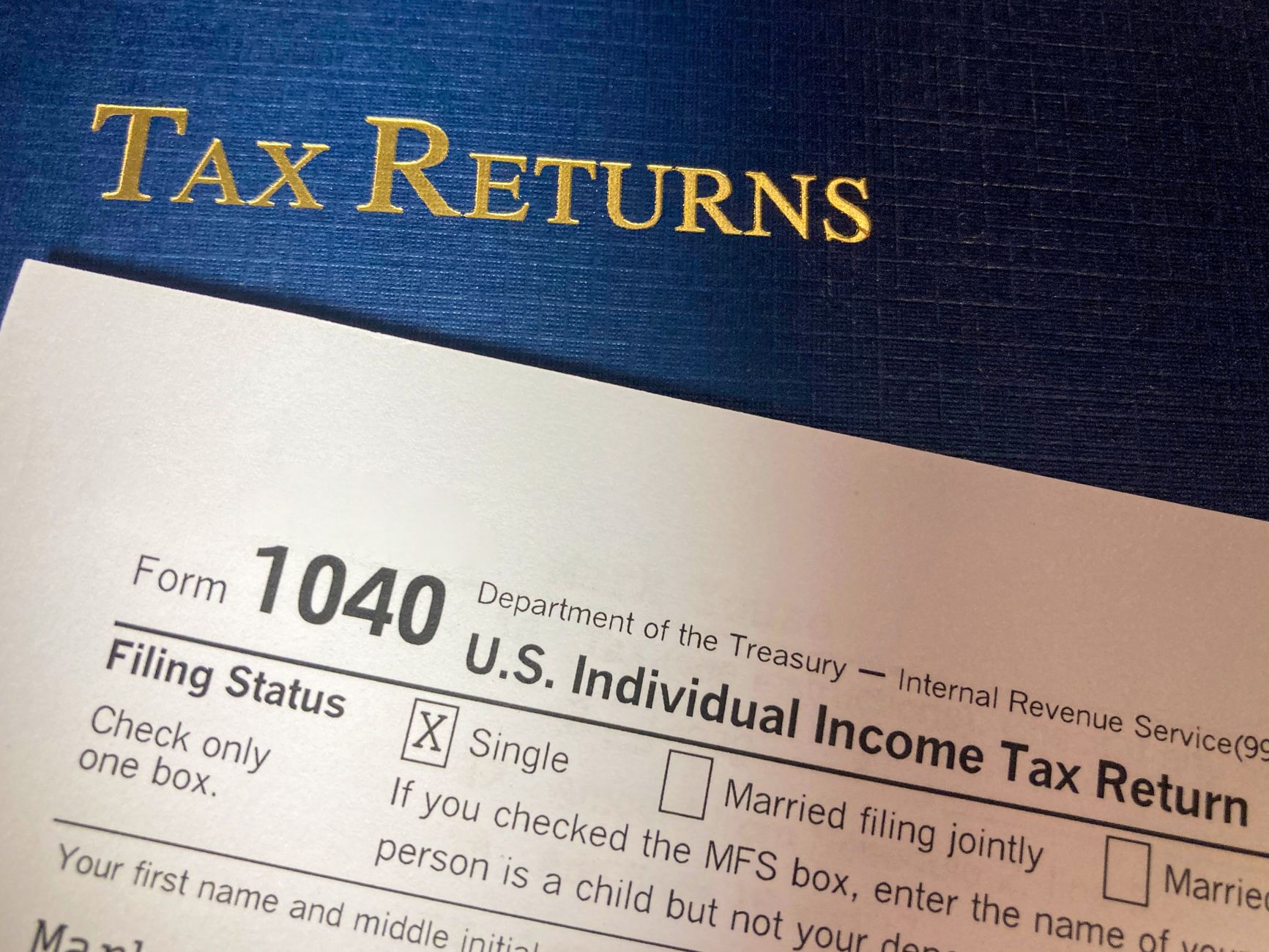
Table of Contents
- What Is the Child Tax Credit for 2026?
- How Much Is the Child Tax Credit in 2026?
- What Are the Income Limits for the Child Tax Credit?
- Is the Child Tax Credit Refundable in 2026?
- How Does the Child Tax Credit Differ From 2021’s Expanded Version?
- Can I Claim the Child Tax Credit for a Child With No Social Security Number?
- What Happens if I Have Multiple Children?
- Key Takeaways
- Frequently Asked Questions
- Disclaimer](#disclaimer jointly. For every $1,000 of income above these thresholds, the credit is reduced by $50. This means a single filer earning $210,000 would lose $500 of their credit (10 × $50), reducing a $2,000 credit to $1,500. For head of household filers, the threshold is also $200,000, per IRS guidelines updated for 2026.
Earned income requirements apply for the refundable portion: you must have at least $2,500 in earned income to qualify for the ACTC. For families with very low income, the credit may be limited. According to the Tax Policy Center, about 15% of CTC-eligible families receive less than the full amount due to income phaseouts or insufficient earned income.
Is the Child Tax Credit Refundable in 2026?
Yes, but only partially. The refundable portion is capped at $1,700 per child for 2026. This means if your tax liability is zero, you can still receive up to $1,700 per child as a refund. However, the refundable credit is calculated using a formula based on earned income above $2,500. Specifically, the refundable amount equals 15% of earned income above $2,500, up to the $1,700 per child cap.
For example:
- A family with one child and earned income of $20,000: Refundable credit = 15% × ($20,000 – $2,500) = 15% × $17,500 = $2,625, capped at $1,700.
- A family with one child and earned income of $10,000: Refundable credit = 15% × ($10,000 – $2,500) = 15% × $7,500 = $1,125.
This structure particularly helps low-income families, though it excludes those with no earned income. According to the Center on Budget and Policy Priorities, approximately 26 million children lived in families with earned income below $2,500 in 2023, making them ineligible for the refundable portion.
How Does the Child Tax Credit Differ From 2021’s Expanded Version?
The 2021 expansion, part of the American Rescue Plan Act, temporarily increased the credit to $3,600 per child under age 6 and $3,000 per child ages 6–17, made it fully refundable, and provided advance monthly payments. For 2026, these changes have expired. Here’s a comparison:
Table 2: Child Tax Credit Comparison – 2021 vs. 2026
| Feature | 2021 (Expanded) | 2026 (Current Law) |
|---|---|---|
| Maximum credit per child | $3,600 (under 6); $3,000 (ages 6–17) | $2,000 (under 17) |
| Refundability | Fully refundable | Up to $1,700 per child |
| Advance payments | Monthly payments (July–December 2021) | No advance payments |
| Age limit | Under 18 | Under 17 |
| Income phaseout start (single) | $75,000 | $200,000 |
| Income phaseout start (joint) | $150,000 | $400,000 |
The 2021 expansion cost approximately $110 billion, according to the Congressional Budget Office. Under current law, the CTC costs about $55 billion annually.
Can I Claim the Child Tax Credit for a Child With No Social Security Number?
No. To claim the CTC, each qualifying child must have a valid Social Security number (SSN) issued before the tax return’s due date (including extensions). Children with Individual Taxpayer Identification Numbers (ITINs) or adoption taxpayer identification numbers (ATINs) do not qualify. This requirement applies even if the child is a U.S. citizen or resident alien. According to IRS data, about 1.2 million children are excluded from the CTC annually due to SSN requirements, primarily affecting mixed-status families.
If your child does not have an SSN, you cannot claim the CTC for that child, but you may still be eligible for the Child and Dependent Care Credit or the Earned Income Tax Credit (EITC) if other criteria are met.
What Happens if I Have Multiple Children?
The CTC applies per qualifying child, so families with multiple children can claim the credit for each child, subject to phaseout limits. For example, a married couple with three children and MAGI of $300,000 would receive the full $6,000 credit (3 × $2,000). However, if their MAGI exceeds $400,000, the credit begins to phase out. For families with six or more children, the phaseout could reduce the credit to zero at higher income levels.
The refundable portion also scales: a family with three children can receive up to $5,100 in refundable credits ($1,700 × 3), assuming sufficient earned income. For low-income families, this can make a significant difference. According to the IRS, families with three or more children claimed an average CTC of $5,800 in 2023.
Key Takeaways
- Credit amount: $2,000 per child under age 17 for 2026.
- Refundable portion: Up to $1,700 per child, requiring at least $2,500 in earned income.
- Income limits: Phaseout begins at $200,000 (single) and $400,000 (joint).
- No advance payments: Unlike 2021, the credit is claimed only on your tax return.
- SSN required: Each child must have a valid Social Security number.
- Multiple children: Credit multiplies per child, but refundable portion caps at $1,700 each.
- Planning tip: Adjust your W-4 withholding if you expect a large credit to avoid overpaying taxes throughout the year.
For more information, see our guides on Earned Income Tax Credit 2026, Child and Dependent Care Credit, and Tax Credits for Families.
Frequently Asked Questions
Question: Can I claim the Child Tax Credit for a 17-year-old in 2026?
No. The credit is only available for children under age 17 at the end of the tax year. For a 17-year-old, you may be eligible for the Credit for Other Dependents, which is $500 non-refundable.
Question: What is the minimum earned income to receive the refundable portion?
You must have at least $2,500 in earned income to qualify for the Additional Child Tax Credit. Earned income includes wages, salaries, tips, and self-employment income.
Question: Can I split the Child Tax Credit with my ex-spouse if we share custody?
Yes, but only one parent can claim the child as a dependent. The parent with the higher adjusted gross income typically claims the credit, but you can agree otherwise. Form 8332 is required to release the claim.
Question: Does the Child Tax Credit affect my stimulus payments or other benefits?
No. The CTC is not considered income for federal benefit programs like SNAP, Medicaid, or housing assistance. However, it may affect state-level tax credits in some states.
Question: How do I claim the Child Tax Credit on my 2026 tax return?
You must file Form 1040 and attach Schedule 8812 (Credits for Qualifying Children and Other Dependents). Ensure each child has a valid SSN and meets the age, residency, and support tests.
Question: What happens if I don’t have enough tax liability to use the non-refundable portion?
The non-refundable portion is lost if your tax liability is zero. However, the refundable portion (up to $1,700 per child) can still be refunded, provided you meet the earned income requirement.
Disclaimer
This article is for educational purposes only and does not constitute tax, legal, or financial advice. Tax laws are subject to change, and individual circumstances vary. For specific guidance on your 2026 tax situation, consult a qualified tax professional or refer to IRS publications. The information presented here is based on current law as of 2026 and may not reflect future legislative changes.