Aviation Insurance for Private Pilots: Complete Guide to Coverage, Costs, and Claims
Atomic Answer: Aviation insurance for private pilots is a specialized liability and hull coverage policy that protects against aircraft damage, bodily injury
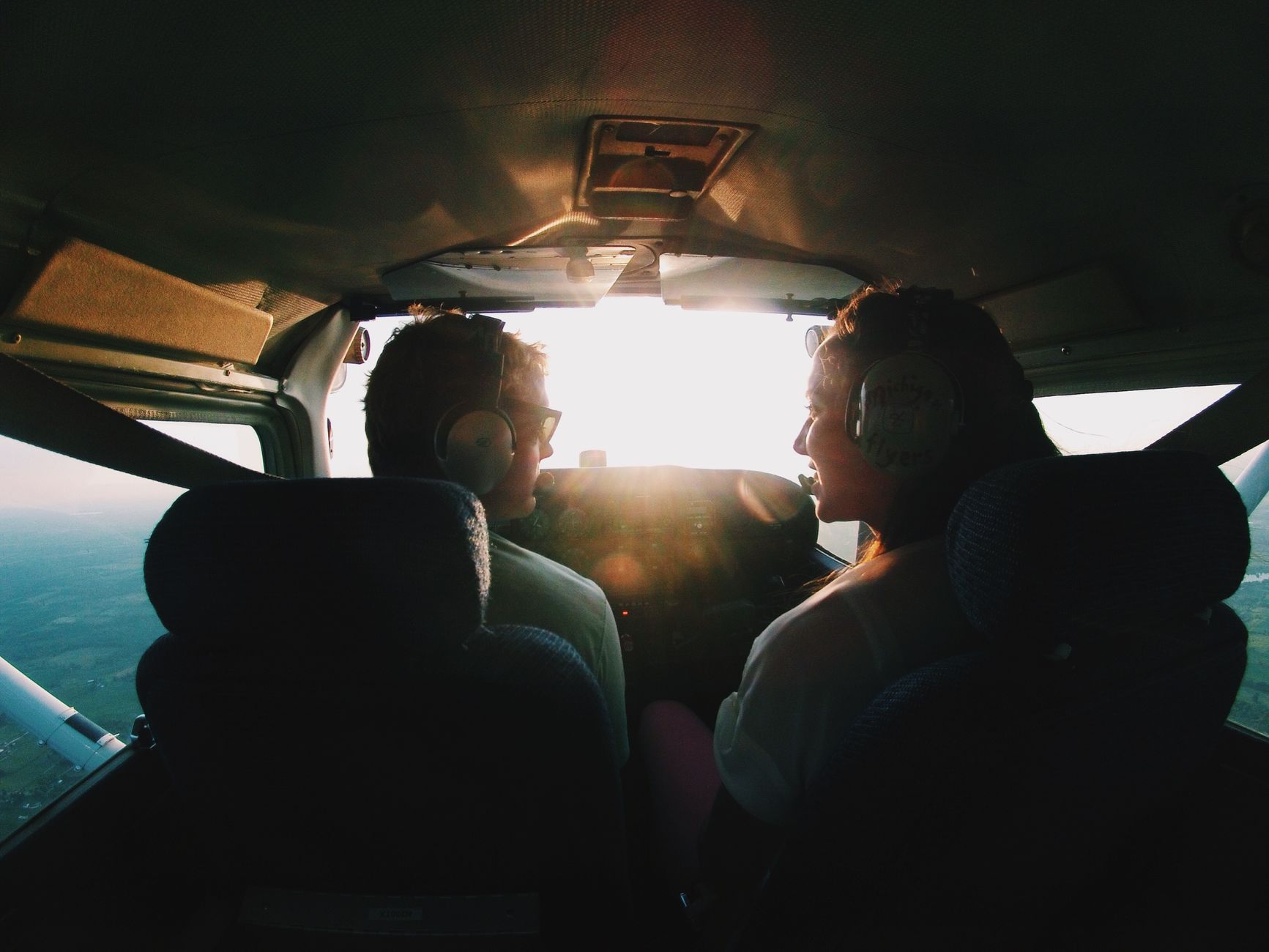
Atomic Answer: Aviation insurance for private pilots is a specialized liability and hull coverage policy that protects against aircraft damage, bodily injury, and legal expenses arising from non-commercial flight operations. Unlike auto insurance, aviation policies are underwritten individually based on pilot experience, aircraft type, and annual flight hours, with average annual premiums ranging from $1,200 to $5,000 for single-engine piston aircraft. The Federal Aviation Administration (FAA) does not mandate liability insurance for private aircraft, but most airports, hangar landlords, and lenders require it, and 48 states have minimum financial responsibility laws for aircraft owners.
Table of Contents
- What is Aviation Insurance for Private Pilots and How Does It Differ from Auto Insurance?
- What Types of Coverage Do Private Pilots Need?
- How Much Does Aviation Insurance Cost for Private Pilots in 2025?
- What Factors Determine Your Aviation Insurance Premium?
- What Are the Top Aviation Insurance Providers for Private Pilots?
- How to File an Aviation Insurance Claim Successfully
- What Are Common Exclusions and Pitfalls in Private Pilot Policies?
- Best Strategies to Lower Your Aviation Insurance Premium](#best, or substantial damage (over $50,000), you must notify the NTSB within 24 hours per 49 CFR 830.5.
Step 2: Document Everything
Take photos and videos of the damage, the scene, weather conditions, and any relevant instruments. Collect witness statements. Do not move the aircraft until authorized by your insurer or the NTSB.
Step 3: Contact Your Insurer Immediately
Call your broker or direct insurer within 24 hours. Provide your policy number, a brief description of the incident, and your location. Most policies require prompt notice—delaying could void coverage.
Step 4: Do Not Admit Fault
Never say "I'm sorry, it was my fault" to anyone, including FAA inspectors. Liability is determined by investigation, not admission. Your policy likely has a "voluntary payment" clause that voids coverage if you admit liability.
Step 5: Cooperate with the Adjuster
Your insurer will assign an adjuster (often an aviation specialist) who will inspect the aircraft, review your logs, and interview you. Be honest and provide all requested documents. Withholding information can lead to denial.
Step 6: Obtain Repair Estimates
Your adjuster will recommend approved repair facilities. You can choose your own, but the insurer may cap reimbursement at their estimate. For hull claims, expect 60–90 days for complex repairs.
Step 7: Understand Settlement Options
- Repair: Insurer pays repair cost minus deductible.
- Total loss: If repair costs exceed 70–80% of hull value, insurer pays agreed value minus deductible.
- Cash settlement: You receive a check and can choose not to repair.
Case Study: Sarah, a private pilot with 400 hours, struck a deer during landing rollout, damaging the propeller, cowling, and left wing of her Piper Warrior. The repair estimate was $28,000. Her hull coverage had a $2,500 deductible. She notified her insurer within 2 hours, provided photos, and cooperated with the adjuster. The claim was approved within 10 days, and repairs took 45 days. Her premium increased 25% at renewal.
Actionable Step: Keep a "claim kit" in your flight bag: a digital camera or smartphone, a notepad and pen, and your insurance ID card with 24/7 claims number.
What Are Common Exclusions and Pitfalls in Private Pilot Policies?
Understanding exclusions is critical—many pilots discover coverage gaps only after a loss. Key exclusions include:
1. Standard Exclusions (Present in Most Policies)
- Wear and tear, mechanical breakdown: Normal engine wear, corrosion, and mechanical failure (unless caused by a covered accident).
- War, hijacking, terrorism: Unless specifically added as an endorsement.
- Intentional acts: Damage caused deliberately or while under the influence of alcohol/drugs.
- Unapproved use: Flying without a valid medical certificate, beyond pilot limitations, or in prohibited airspace.
2. Common Pitfalls
- Named pilot only: Policies often list specific pilots. If an unnamed pilot flies your aircraft and has an accident, coverage may be denied. Always add any regular co-pilot or family member who flies.
- Annual flight hour limits: Many policies cap annual hours (e.g., 100 hours). Exceeding this by even 1 hour can void hull coverage.
- Geographic limits: Some policies exclude flights over water beyond 50 nautical miles from shore or into certain countries (e.g., Mexico, Canada may require separate endorsements).
- Commercial use: Any flight for compensation or hire (including flight instruction, sightseeing, or aerial photography) requires a commercial policy—private policies exclude this.
3. Hidden Costs
- Deductible waivers: Some policies waive the deductible for specific perils like fire or theft, but not for accident damage.
- Sub-limits: Liability coverage may have sub-limits for passenger liability (e.g., $100,000 per passenger) within a $1M policy.
- Defense costs: Some policies deduct legal defense costs from liability limits, reducing funds available for settlement.
Comparison Table: Policy Exclusions by Provider
| Exclusion | AOPA/Avemco | Global Aerospace | USAA (Aviation) |
|---|---|---|---|
| Wear and tear | Standard | Standard | Standard |
| War/hijacking | Standard | Optional endorsement | Standard |
| Alcohol/drugs | Standard | Standard | Standard |
| Unapproved pilot | Standard | Standard | Standard |
| Overwater >50 NM | Standard | Optional endorsement | Standard |
| Commercial use | Standard | Standard | Standard |
| Deductible waiver (fire) | Yes (hull only) | Yes (hull only) | No |
Actionable Step: Review your policy's "Exclusions" and "Conditions" sections carefully. If you plan to fly to Canada, Mexico, or the Bahamas, ask your broker about a "Foreign Use Endorsement" before departure.
Best Strategies to Lower Your Aviation Insurance Premium
Aviation insurance is expensive, but several legitimate strategies can reduce your premium by 20–40%.
1. Increase Your Deductible
Raising your hull deductible from 1% to 5% can reduce hull premium by 15–25%. For a $100,000 aircraft, a 5% deductible ($5,000) saves $300–$500 annually. Ensure you have cash reserves to cover the deductible.
2. Complete Additional Training
- Instrument Rating: Reduces premium 10–20%.
- Flight Review with CFI: Annual flight reviews (vs. biannual) can earn a 5–10% discount.
- Wings Program: FAA WINGS proficiency program completion can reduce premium 5–15% depending on the carrier.
3. Bundle Policies
If you own multiple aircraft, a fleet policy can reduce per-aircraft costs 10–20%. Some insurers also offer discounts if you have auto, home, or life insurance with them.
4. Join a Flying Club or Partnership
Aircraft partnerships (co-ownership with 2–5 pilots) often qualify for lower rates because the risk is spread across multiple named pilots. Some clubs negotiate group rates 15–30% below individual policies.
5. Maintain a Clean Record
Avoid accidents, incidents, and FAA violations for 3–5 years. A clean record can reduce premium 20–30% compared to a pilot with one claim.
6. Choose the Right Aircraft
Older, simpler aircraft (e.g., Cessna 172, Piper Cherokee) cost less to insure than high-performance, retractable-gear, or experimental aircraft. A fixed-gear, fixed-pitch prop aircraft can save 30–50% in hull premium.
Actionable Step: Before your next renewal, complete an FAA WINGS phase (free online) and ask your broker for a "safe pilot discount." Most carriers offer 5–10% for WINGS completion.
Key Takeaways
- Aviation insurance is not required by the FAA but is mandatory for most hangars, lenders, and airports. Average premiums range from $1,200 to $5,000 for single-engine piston aircraft.
- Four core coverages are liability, hull, medical payments, and non-owned liability. Always carry at least $1 million in liability coverage.
- Premiums are driven by pilot experience (total time, time in type, instrument rating) and aircraft characteristics (value, complexity, age). A 500-hour pilot pays 20–35% less than a 200-hour pilot.
- Top providers include AOPA Insurance Services (best for first-time buyers), Avemco (direct writer), and Global Aerospace (non-standard risks). Get quotes from at least three sources.
- Claims require immediate action: secure the aircraft, document everything, notify your insurer within 24 hours, and never admit fault. Cooperation is critical for approval.
- Common exclusions include wear and tear, war, unapproved pilots, and commercial use. Always review your policy's exclusions before flying.
- Premium reduction strategies include increasing deductibles, completing instrument training, joining a flying club, and maintaining a clean claims record. Savings of 20–40% are achievable.
Frequently Asked Questions
1. Is aviation insurance required by law for private pilots?
No, the FAA does not require liability insurance for private aircraft. However, 48 states have financial responsibility laws that may require proof of insurance for aircraft registration or operation. Additionally, most airports, hangar landlords, and lenders require insurance as a condition of use or financing.
2. Can I use my auto insurance to cover my aircraft?
No. Standard auto insurance policies explicitly exclude aircraft. Even if you have a "non-owned auto" policy, it will not cover aircraft operation. You must purchase a separate aviation policy from a licensed aviation insurer.
3. How does my pilot experience affect my premium?
Your total flight hours and time in the specific aircraft model are the most important factors. A pilot with 500+ total hours and 50+ hours in type pays 20–35% less than a 200-hour pilot with minimal time in type. An instrument rating can reduce premium another 10–20%.
4. What happens if I let another pilot fly my aircraft?
Most policies are "named pilot" policies, meaning only pilots listed on the declarations page are covered. If an unnamed pilot flies your aircraft and has an accident, hull coverage may be denied, and liability coverage may be limited. Always add any regular co-pilot to your policy.
5. Does aviation insurance cover mechanical breakdown?
Generally no. Standard policies exclude wear and tear, mechanical breakdown, and corrosion. However, if a mechanical failure causes an accident (e.g., engine failure leads to a forced landing), the resulting damage may be covered under hull coverage. The engine failure itself is not covered.
6. How do I file a claim for a total loss?
If your aircraft is declared a total loss (repair costs exceed 70–80% of agreed value), the insurer will pay the agreed value minus your deductible. You must provide the title, registration, and keys. The insurer will typically take ownership of the salvage. Expect 30–60 days for settlement.
7. Can I get insurance for an experimental or homebuilt aircraft?
Yes, but premiums are typically 20–40% higher than for certified aircraft of similar value. Underwriters require proof of builder experience, FAA airworthiness certificate, and a minimum number of flight hours (often 25–50) in the experimental aircraft before offering hull coverage.
Disclaimer: This article is for educational purposes only and does not constitute legal, financial, or insurance advice. Aviation insurance policies vary significantly by provider, state, and individual circumstances. Always consult a licensed aviation insurance broker or agent before purchasing or modifying a policy. The statistics and examples provided are based on publicly available data and industry averages as of 2025 and may not reflect your specific situation.
For more information on related topics, read our guides on Aircraft Ownership Costs, Private Pilot License Requirements, and Renter's Insurance for Pilots.